
The idea
Almost every AI tool has the same hidden flaw. It forgets. The moment a session ends, everything it understood about your projects, your decisions, and your conventions is gone. The next conversation starts from zero, and you spend it re-explaining context you’ve already explained a dozen times. Intelligence that resets to nothing every morning isn’t really intelligence. It’s a very articulate stranger you have to onboard again and again.
Brainstack exists to fix that. It’s the studio’s private second brain, a digital twin of everything we know that sits alongside our AI work and refuses to let hard-won context evaporate.
What it does
It does three things, and keeps them deliberately simple.
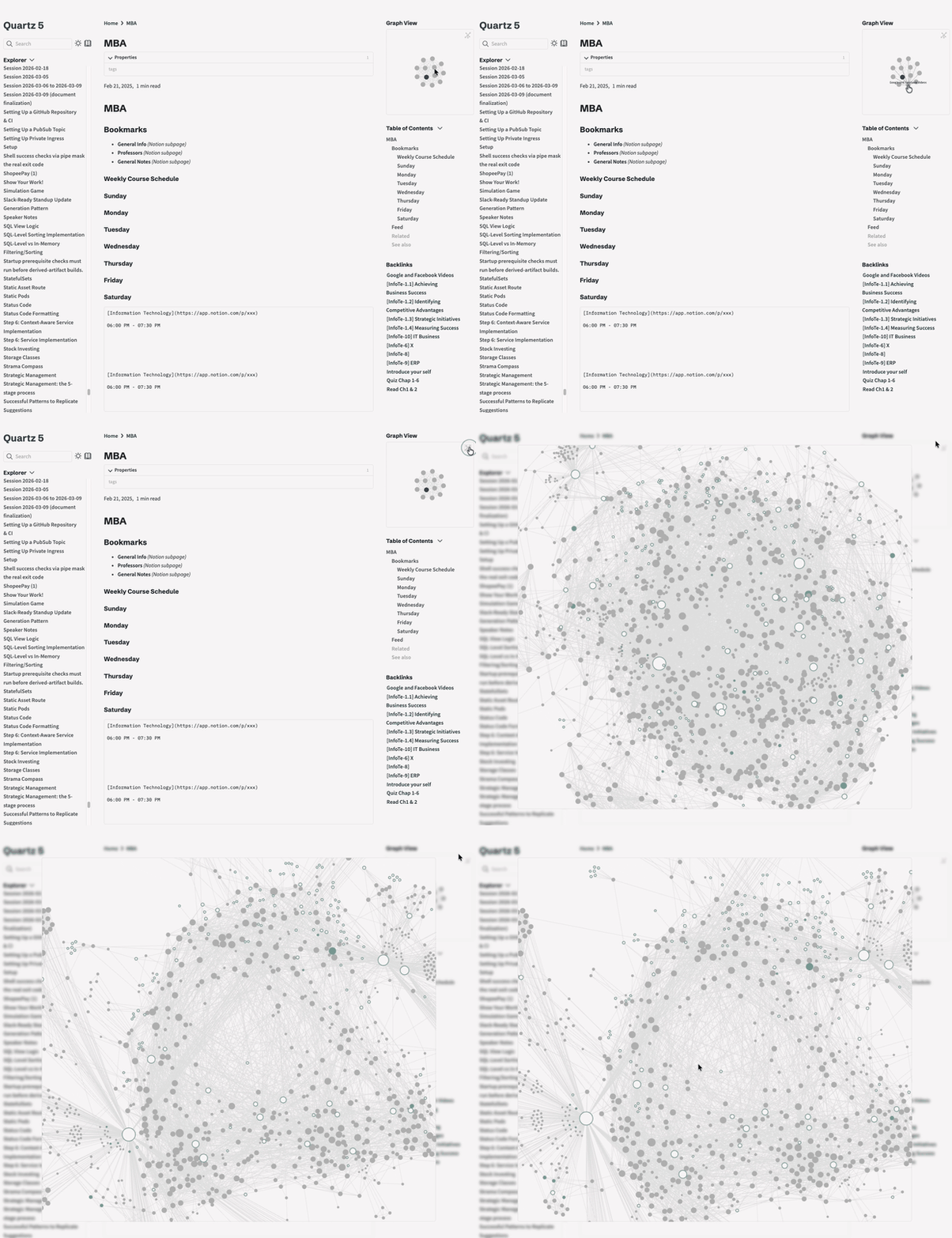
- Remembers across sessions. The studio’s accumulated knowledge, including project histories, architectural decisions, lessons learned, and the conventions we hold ourselves to, lives in one durable place instead of scattered across disposable chats.
- Recalls on demand. Any AI session can pull exactly the context it needs, right when it needs it, so it works from what the studio actually knows rather than guessing or starting blind.
- Writes back. When a session learns something worth keeping, it records it, so the next session, and the one after that, inherit it automatically.
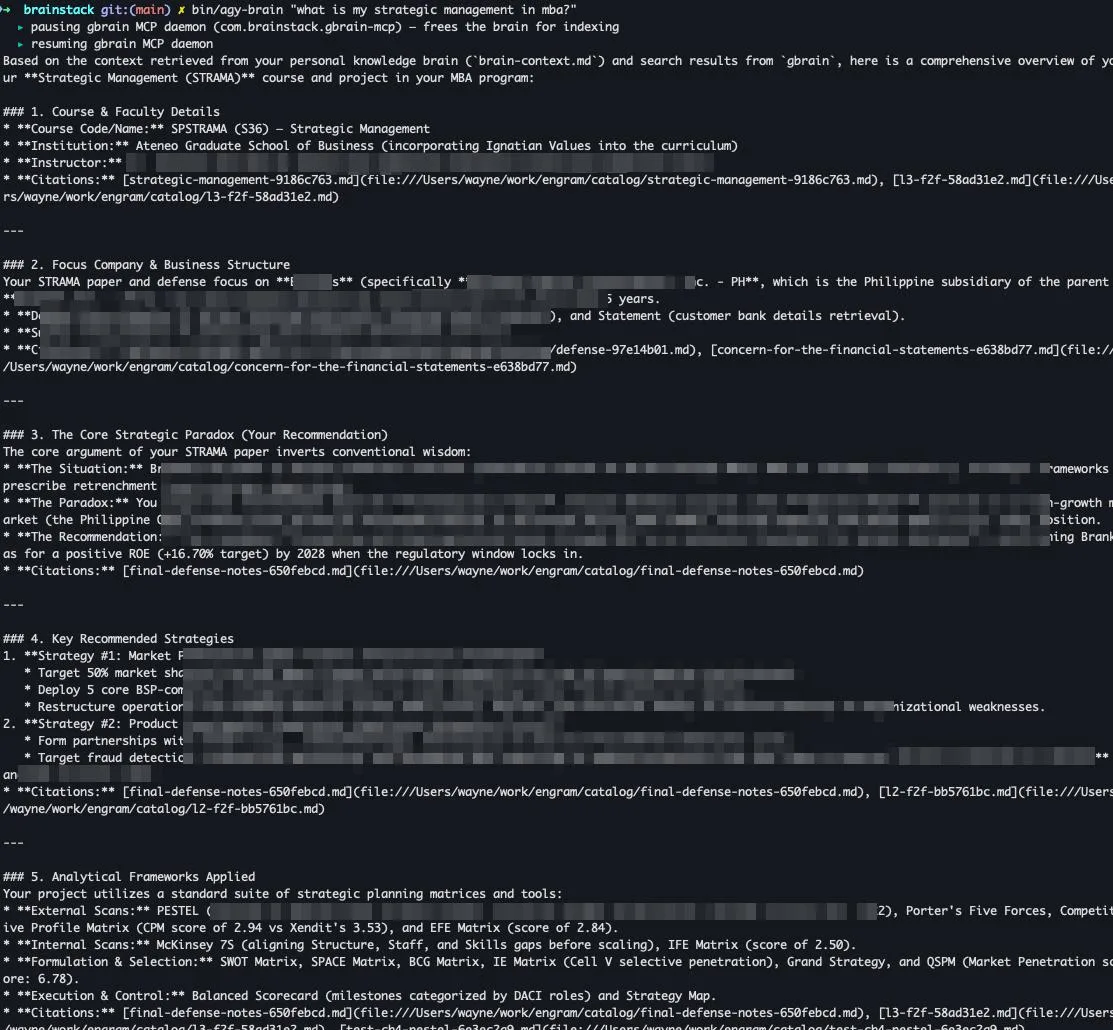
- Answers, grounded and cited. Ask a question and it queries the studio’s own unstructured knowledge locally, then returns an answer built from what we actually have, with citations back to the source. Nothing is taken on faith. Every claim points to where it came from.
The result is a body of institutional knowledge that grows with every engagement rather than being rebuilt from scratch each time.
Why it matters
Most “AI” is stateless. It’s powerful in the moment and amnesiac the instant the moment passes. Brainstack gives the studio AI with memory, and memory is what turns a clever tool into a compounding advantage. Every project we ship, every problem we solve, every preference we settle makes the next piece of work sharper. Nothing is lost, and everything accrues.
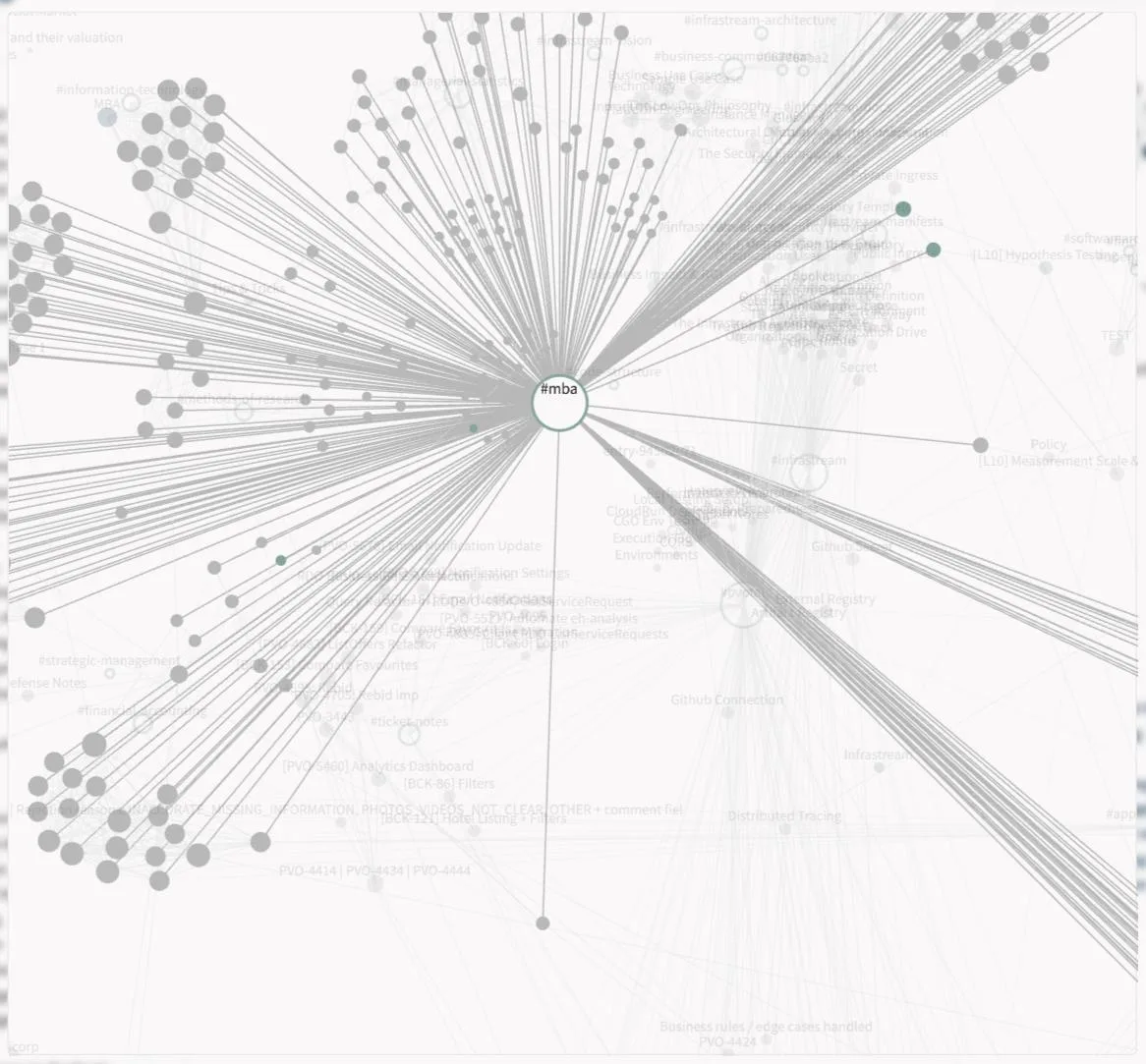
The proof is this very page. When our AI wrote these case studies, it didn’t invent or approximate our history. It queried a decade of real projects from Brainstack and built each claim from sourced material it could cite. That’s the difference between an assistant that sounds informed and one that genuinely is.
It’s the quiet complement to Crossagent. Where Crossagent brings rigor and separation of duties to how AI builds, Brainstack brings memory and continuity to what AI knows. Together they’re the same conviction from two angles. We don’t just use AI, we engineer the infrastructure that makes it compound.
Built and run privately by the studio. The implementation stays under the hood, by design.